You are here:

Blogs

DS 160 Automation for Immigration Attorneys

DS-160 Automation for Immigration Attorneys: How to Eliminate Repetitive Data Entry Without Risking Accuracy

Completing a DS-160 isn’t legally complex; it’s repetitive. Immigration attorneys often spend 30–60 minutes per form re-entering information that already exists across petitions, intake records, and employer files. DS-160 automation eliminates this duplication by reusing verified case data, maintaining cross-form consistency, and reducing transcription errors. Instead of building forms field by field, attorneys review structured drafts aligned with the underlying petition. For high-volume practices, this shift transforms DS-160 preparation from a time drain into a streamlined review process.



Read Blog
Case Tracking in the Immigration Landscape

Case Tracking in the Immigration Landscape: Why It Matters for Attorneys and Petitioners

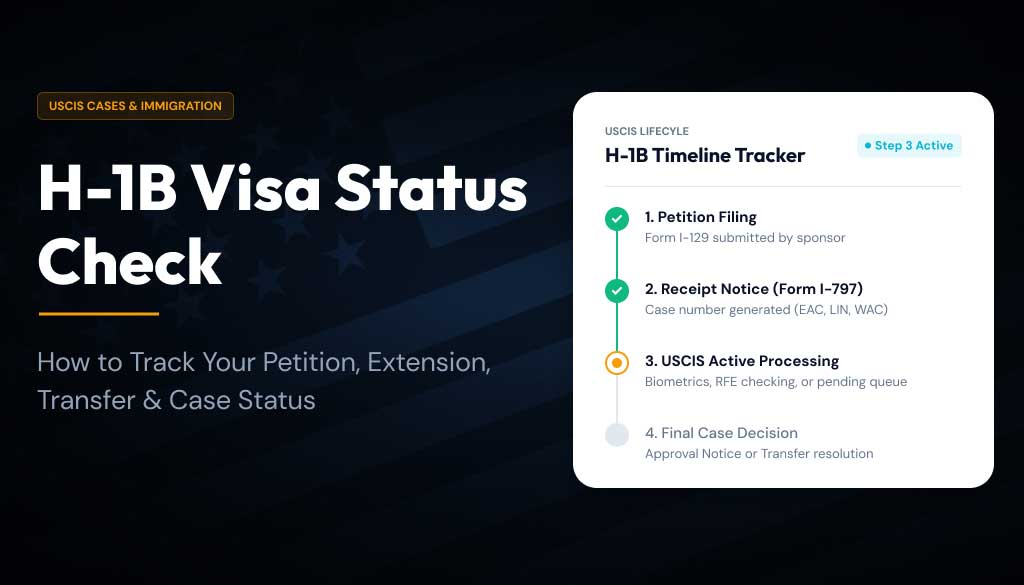
Immigration cases often involve long timelines, multiple documents, and frequent status updates. Effective case tracking helps attorneys manage cases efficiently while giving petitioners clear visibility into their immigration journey. This blog explores why case tracking matters and how it improves transparency, communication, and overall case management in today’s immigration landscape.
Read Blog
Basic vs. Advanced Immigration Software

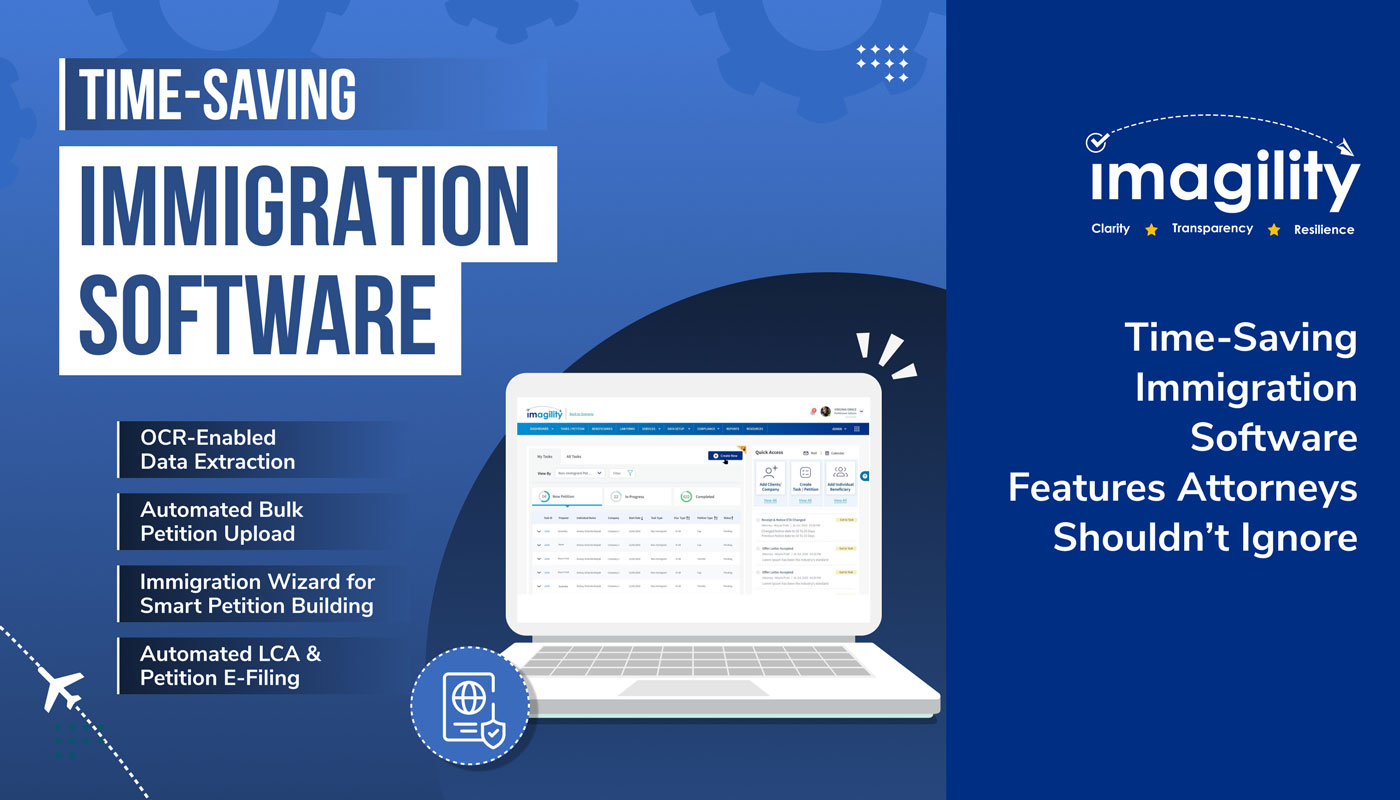
Basic vs. Advanced Immigration Software — What Law Firms Should Look For in 2026 (Buyer’s Guide)

Choosing immigration software is no longer just about going paperless. In 2026, the difference between basic and advanced platforms can significantly impact case accuracy, compliance risk, and law firm efficiency. While basic systems help organize cases and documents, advanced immigration software uses automation, OCR, and AI-assisted validation to reduce manual work, prevent errors, and support high-volume filings. This buyer’s guide explains what modern immigration practices should look for when selecting software that can scale with their firm and support increasingly complex immigration workflows.

Read Blog
How AI reduces RFE is immigration petitions

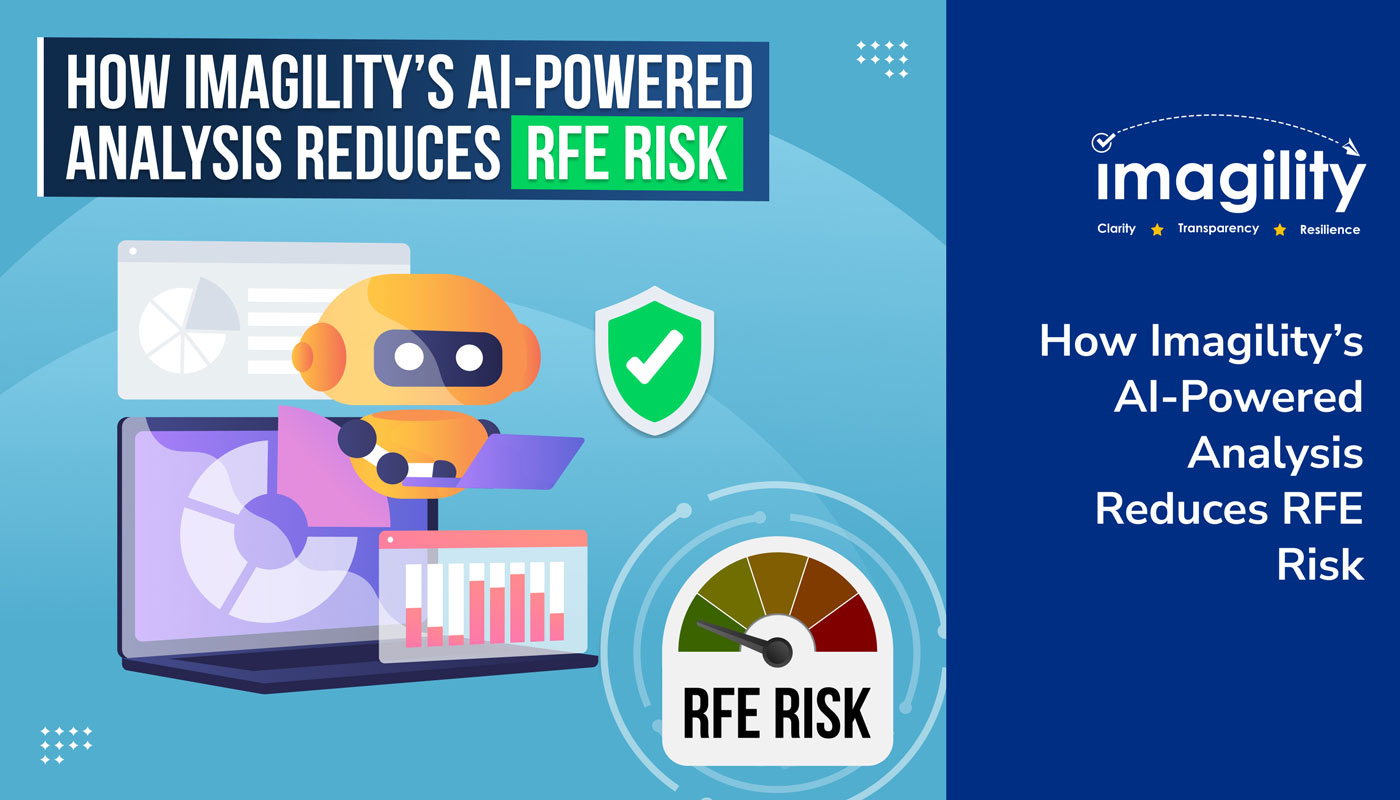
How AI Reduces RFEs in Immigration Petitions

Requests for Evidence often arise from documentation gaps, inconsistencies, or unclear eligibility presentation—not true ineligibility. This article explains how AI-assisted petition review helps immigration attorneys identify risks early, strengthen filings, and reduce preventable RFEs across employment-based cases.

Read Blog
How Much Can ICE Fine You Per I 9

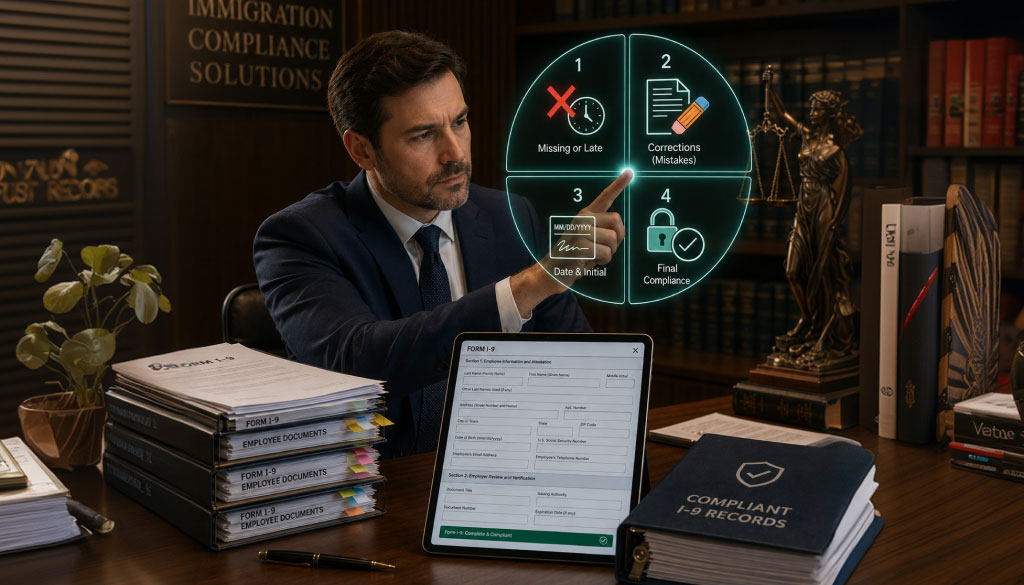
How Much Can ICE Fine You Per I-9?

(And Why Small Mistakes Can Quietly Become Big Problems) Many employers assume Form I-9 is just another onboarding document, something HR completes, files away, and rarely revisits. The reality is very different. Form I-9 is a federal compliance record, and when it is reviewed by enforcement agencies, even small errors can lead to financial penalties.…

Read Blog
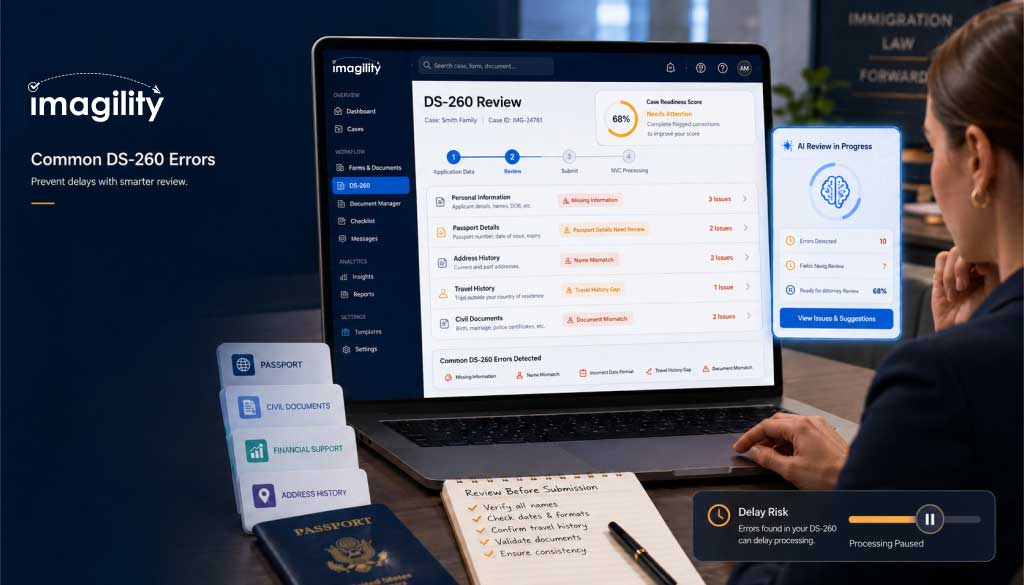
OCR Enabled Document Processing

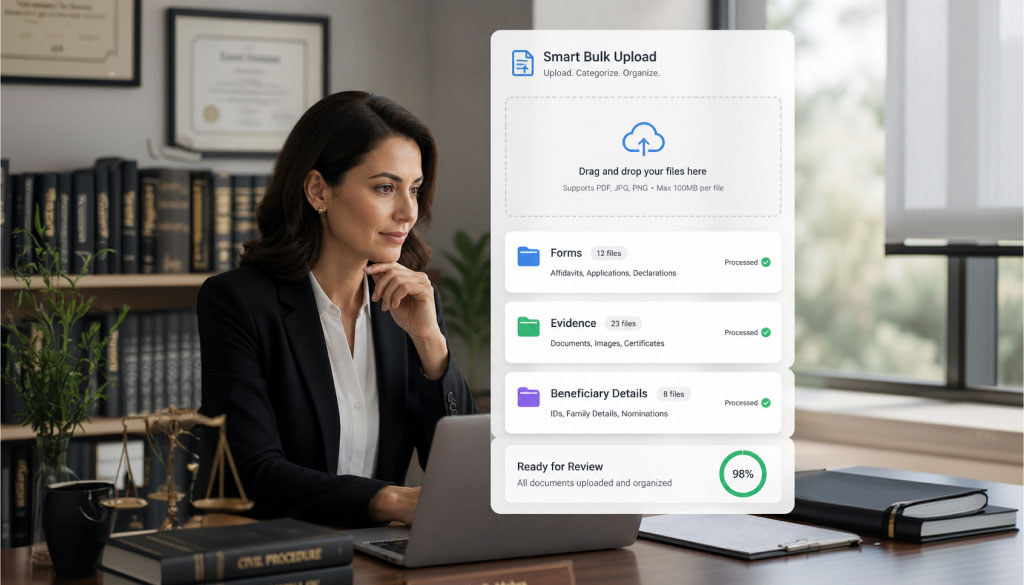
OCR-Enabled Document Processing for Immigration Attorneys: Faster Case Preparation, Fewer Errors

Immigration cases depend on accurate data from identity and civil documents, yet manual transcription is slow and error-prone. OCR-enabled document processing allows immigration attorneys to automatically capture structured data from passports, visas, and certificates the moment they are uploaded. The result is faster case preparation, fewer data inconsistencies, and a smoother client experience across immigration filings.

Read Blog