
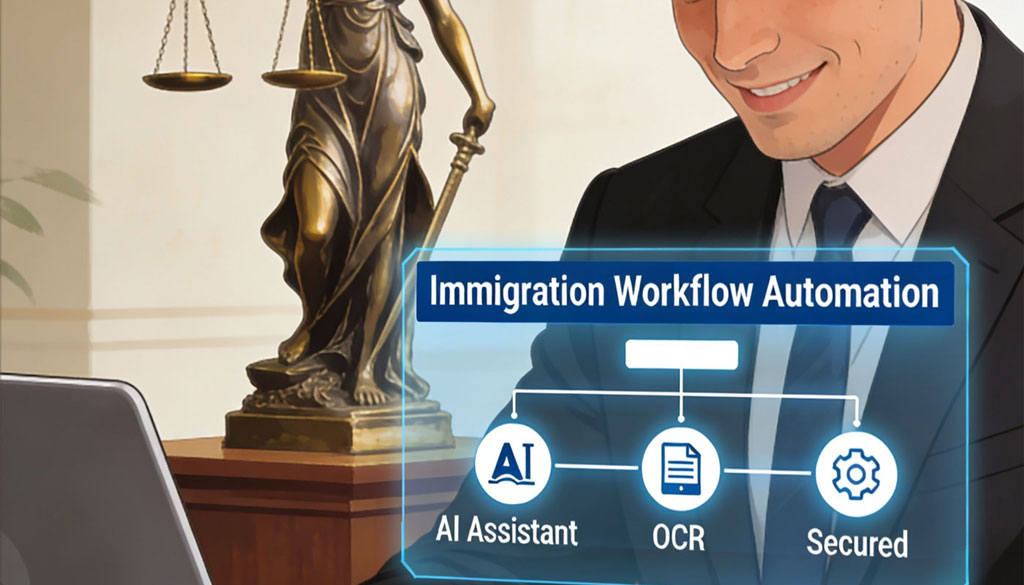
Why Immigration Workflow Automation Matters More Than Ever
Immigration law firms are under increasing pressure to- Prepare petitions faster
- Reduce RFEs and filing inconsistencies
- Manage larger caseloads efficiently
- Improve client communication
- Handle growing compliance scrutiny
- Reduce administrative workload
- Improve profitability without increasing overhead
- Re-entering the same data across multiple forms
- Missed deadlines
- Difficulty tracking case progress
- Delays in document collection
- Filing inconsistencies across petitions
- Increased time spent on administrative work
1. Automated Petition & Form Preparation
One of the biggest time-consuming tasks for immigration attorneys is manually preparing immigration forms and supporting documents. Modern immigration document automation software can automatically- Populate immigration forms using existing case data
- Generate petitions and support letters
- Reuse beneficiary and employer information across filings
- Reduce repetitive data entry
- Maintain consistency across multiple forms
- H-1B petitions
- PERM applications
- I-140 filings
- I-130 petitions
- Adjustment of status applications
- RFEs and support letters
Reduce Manual Petition Preparation With AI-Powered Immigration Automation
See how immigration attorneys are using workflow automation software to:
- Prepare petitions faster
- Reduce repetitive data entry
- Improve filing accuracy
- Automate support letters
- Streamline document collection
2. Smart Workflow & Task Automation
Immigration cases involve dozens of moving parts, deadlines, reminders, approvals, and document requests.
Without workflow automation, attorneys and paralegals often spend significant time manually tracking tasks through spreadsheets, emails, or calendar reminders.
Workflow automation software helps law firms
- Assign tasks automatically
- Trigger reminders and notifications
- Track case progress in real time
- Automate internal approvals
- Reduce missed deadlines
- Standardize internal processes
For example, once a new H-1B case is initiated, the system can automatically
- Create document checklists
- Assign tasks to staff
- Trigger beneficiary questionnaires
- Schedule LCA workflows
- Generate reminders for missing documents
This improves operational efficiency and reduces the risk of delays caused by manual follow-ups.
3. Centralized Immigration Document Management
Managing large volumes of immigration documents manually becomes increasingly difficult as caseloads grow.
Law firms often struggle with
- Searching through emails for attachments
- Duplicate document storage
- Missing evidence
- Disorganized case files
- Version control issues
Immigration document management software centralizes
- Beneficiary documents
- Employer records
- Support letters
- Government notices
- Case correspondence
- Filing history
Modern systems also allow firms to
- Organize documents automatically
- Tag files intelligently
- Track uploads in real time
- Request missing documents securely
- Access case files from anywhere
Centralized document management improves collaboration across legal teams while helping firms stay audit-ready.
4. AI-Powered Document Automation
AI is becoming a major part of immigration workflow automation in 2026.
AI-powered legal document automation software helps attorneys
- Generate support letters faster
- Draft immigration documents
- Identify missing information
- Detect inconsistencies across filings
- Recommend relevant job duties
- Improve petition consistency
This significantly reduces the time spent drafting repetitive immigration documents manually.
Instead of starting every petition from scratch, attorneys can leverage AI-powered templates and intelligent workflows to improve productivity while maintaining better consistency across filings.
AI-powered workflow automation also helps firms reduce repetitive administrative work so attorneys can focus more on legal strategy and client representation.
5. Automated Compliance & Filing Consistency Checks
Immigration filings often contain multiple forms, support letters, wage information, timelines, and employer documentation that must remain consistent throughout the petition.
Even small inconsistencies can lead to
- RFEs
- Filing delays
- Compliance concerns
- Wage scrutiny
- Petition denials
Workflow automation software helps reduce these risks by automatically checking for
- Missing information
- Inconsistent dates
- Mismatched employer details
- Wage inconsistencies
- Duplicate entries
- Filing gaps
This helps attorneys identify issues before filing and strengthens overall petition quality.
As USCIS scrutiny increases, automated consistency checks are becoming one of the most valuable workflow automation features for immigration law firms.
6. Secure Client Communication & Collaboration
One of the biggest operational challenges for immigration law firms is collecting information and documents from beneficiaries efficiently.
Many firms still rely heavily on
- Email chains
- Shared folders
- Manual follow-ups
- Phone calls
- Spreadsheets for tracking uploads
Workflow automation platforms improve this process through secure client portals that allow clients to
- Upload documents securely
- Complete questionnaires online
- Receive real-time case updates
- Respond to document requests
- Track filing progress
This improves the overall client experience while reducing the administrative burden on attorneys and paralegals.
Better communication workflows also help reduce delays caused by missing documentation or incomplete information.
7. Real-Time Reporting & Case Visibility
As law firms grow, managing operational visibility becomes increasingly difficult.
Attorneys often need quick access to
- Case status updates
- Filing timelines
- Team workloads
- Upcoming deadlines
- RFE trends
- Case completion metrics
Workflow automation software provides real-time dashboards and reporting tools that help firms:
- Monitor productivity
- Identify bottlenecks
- Track case progress
- Improve resource allocation
- Reduce operational inefficiencies
This level of visibility helps law firms scale more effectively while maintaining better control over case operations.
Manual Immigration Workflows vs Workflow Automation
Manual Workflow | Automated Workflow |
Re-entering data across forms | Automatic form autofill |
Manual deadline tracking | Automated reminders |
Drafting letters from scratch | AI-generated templates |
Searching through emails | Centralized document management |
Manual task assignment | Workflow-based task automation |
Higher risk of inconsistencies | Automated compliance checks |
Time-consuming case preparation | Faster petition preparation |
How to Choose Immigration Workflow Automation Software
When evaluating immigration workflow automation software, law firms should prioritize platforms that offer
- Immigration-specific workflows
- AI-powered document automation
- Centralized document management
- Automated form preparation
- Secure client communication
- Compliance tracking
- SOC code and wage alignment support
- Cloud-based accessibility
- Real-time reporting
The right workflow automation platform should help law firms reduce administrative work while improving efficiency, consistency, and overall case management.
Why Workflow Automation Is Becoming Essential for Immigration Law Firms
As immigration processes become more complex and documentation-heavy, workflow automation is quickly becoming a necessity rather than a luxury.
Law firms that continue relying entirely on manual workflows may struggle with
- Growing caseloads
- Increased compliance scrutiny
- Rising operational costs
- Slower petition turnaround times
- Higher administrative burden
Immigration workflow automation helps firms
- Save time
- Improve productivity
- Reduce filing errors
- Prepare petitions faster
- Improve collaboration
- Deliver a better client experience
Conclusion
Immigration workflow automation is transforming how law firms manage immigration filings in 2026.
From AI-powered document automation to automated compliance checks and centralized document management, workflow automation software helps immigration attorneys reduce repetitive work, improve efficiency, and prepare stronger filings faster.
As filing volumes and compliance expectations continue to grow, law firms that adopt immigration workflow automation tools will be better positioned to scale operations, improve client service, and reduce administrative burden.
Platforms like Imagility help immigration attorneys automate petition preparation, streamline workflows, improve filing consistency, and manage immigration cases more efficiently through AI-powered immigration automation.
If your firm is still relying heavily on manual immigration workflows, now may be the right time to explore how workflow automation can improve productivity and reduce operational challenges.