
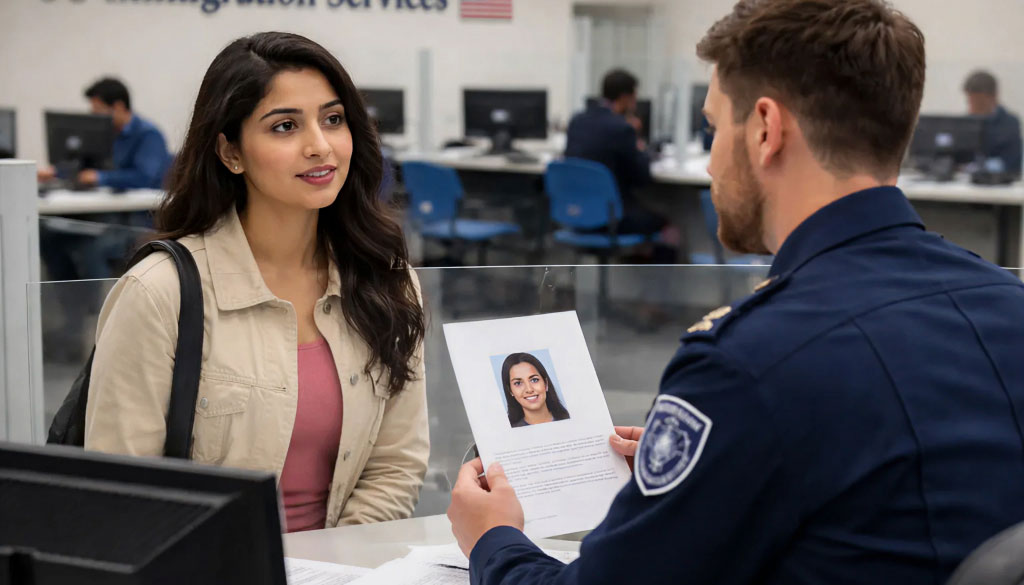
USCIS has introduced a new photo policy designed to strengthen identity verification and reduce immigration fraud. While photo requirements may seem like a minor procedural change, this update has meaningful implications for petition processing, biometric reuse, and case preparation, especially for attorneys managing high filing volumes.
The policy reflects USCIS’s broader push toward tighter fraud detection, improved data integrity, and more consistent adjudication standards.
Why USCIS Updated Its Photo Policy
Identity fraud remains a persistent challenge in the immigration system. Reusing outdated photographs or accepting self-submitted images has made it harder for USCIS to reliably confirm an applicant’s identity across filings.
Under the new policy, USCIS aims to:
- Improve identity matching across benefit requests
- Reduce impersonation and document fraud
- Strengthen biometric reliability over time
- Align photo standards with modern security practices
This change is part of a larger effort to enhance trust in the immigration process while modernizing adjudication systems.
What Has Changed Under the New USCIS Photo Policy
USCIS has made several key updates to how photographs are collected and reused.
Key Policy Changes
- Photos used for immigration benefits must generally be taken within the last 36 months
- Self-submitted photos are no longer accepted
- USCIS may require a new photo even if a recent one exists
- Photos must come from authorized USCIS collection points, such as biometrics appointments
This means prior photos on file will not automatically be reused, even if they were previously accepted.
Forms Most Affected by the New Rules
The updated photo policy applies broadly, but it is particularly relevant for high-volume and long-duration filings, including
- Form I-485 (Adjustment of Status)
- Form I-90 (Green Card replacement)
- Form N-400 (Naturalization)
- Form N-600 (Certificate of Citizenship)
For cases that span multiple years, attorneys should expect additional biometric appointments and longer processing timelines if new photos are required.
Practical Impact on Immigration Attorneys and Firms
From a practice management perspective, this policy introduces both compliance considerations and workflow implications.
What Attorneys Should Expect
- Increased likelihood of biometrics notices, even for repeat applicants
- Additional client coordination for photo and biometrics appointments
- Greater scrutiny during identity verification stages
- Fewer adjudications relying on legacy biometric data
While this adds steps to the process, it also reduces the risk of fraud-related delays or denials later in the case lifecycle.
How This Helps Reduce Fraud and RFEs
By requiring standardized, recently captured photos collected through controlled processes, USCIS can more effectively identify inconsistencies and potential identity reuse across filings. This enables the agency to match applicants more accurately across multiple applications, reducing the likelihood of false approvals and the need for post-approval investigation.
For law firms, this can ultimately mean fewer surprise RFEs related to identity verification and cleaner case histories.
Best Practices for Law Firms Under the New Policy
To avoid delays under USCIS’s new photo and identity verification policy, immigration teams should proactively adjust both client communication and internal workflows. Firms should begin preparing clients early for the likelihood of mandatory biometrics appointments, setting expectations well before filing. Relying on previously accepted photos is no longer sufficient, and attorneys must assume that updated identity data may be requested even in cases that appear straightforward.
Firms should also make it a habit to track photo validity and biometrics timelines as part of everyday case management. Building in extra time for filings and adjudications can help reduce stress when delays occur. Using structured intake forms and consistent document tracking ensures notices aren’t missed, and nothing falls through the cracks. Most importantly, clear communication with clients makes a real difference; many delays happen simply because applicants aren’t prepared for additional biometrics or identity checks.
The Role of Technology in Managing Policy Changes
As USCIS continues to update identity verification and documentation requirements, manual tracking introduces unnecessary risk. Modern immigration platforms provide a more reliable way for firms to stay compliant by automatically tracking biometrics and photo validity across cases and flagging situations where updated identity data may be required.
By centralizing notices, deadlines, and case activity, technology reduces the chance of compliance-related oversights and eases administrative strain on legal teams. Immigration platforms like Imagility help firms bring structure and visibility to identity documentation, allowing attorneys and staff to stay aligned with evolving USCIS policies without adding manual workload or increasing operational complexity.
Final Thoughts
USCIS’s new photo policy may appear procedural, but it signals a deeper shift toward stricter identity verification and fraud prevention. For immigration attorneys, the key is not just awareness, but preparation.
By updating workflows, educating clients, and relying on systems that surface compliance requirements early, firms can adapt smoothly while reducing delays and risk. As identity standards tighten, proactive case management will be essential to maintaining efficiency and client confidence.